
Essential details
MOQ:1000
Shipping:Ocean Shipping
Product Introduction
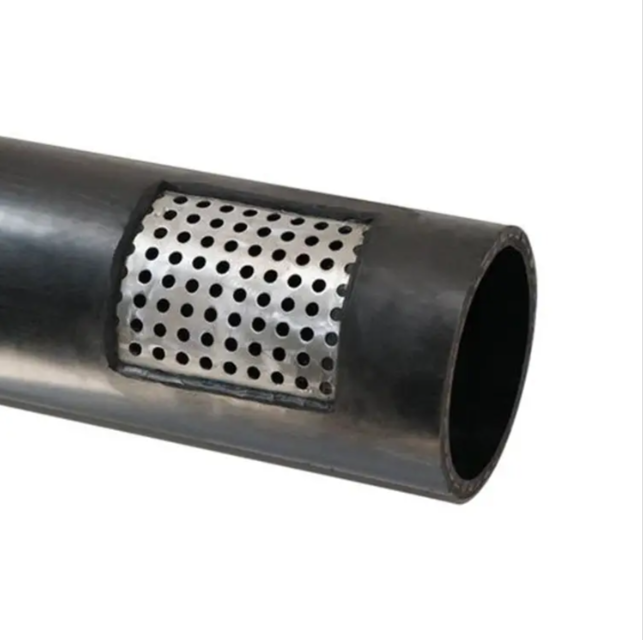
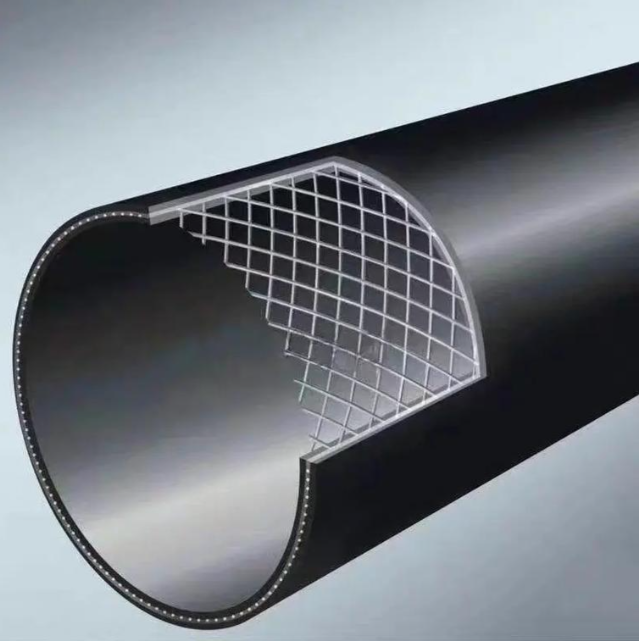
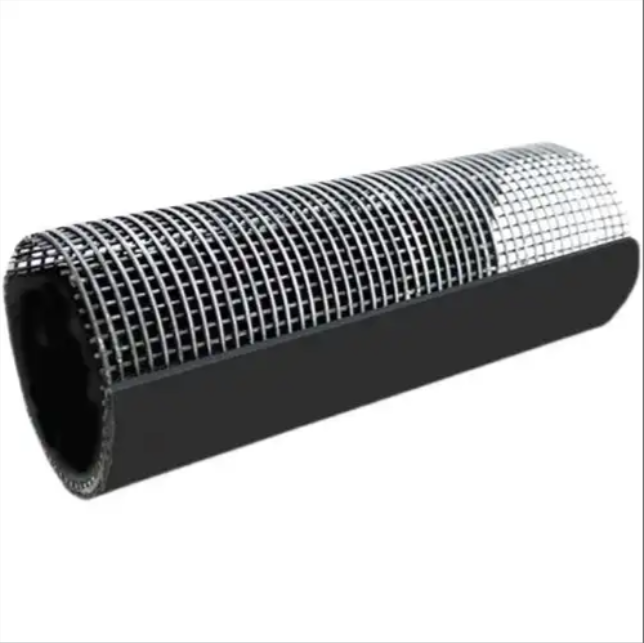
Steel wire reinforced pipe, also known as steel wire mesh reinforced polyethylene composite pipe, is a new type of pipe made by braiding high-strength copper-plated steel wire into a three-dimensional mesh skeleton as a reinforcing layer, with high-density polyethylene (HDPE) wrapped inside and out, and then composited through hot melt adhesive or co-extrusion processes. It combines the high strength of steel with the corrosion resistance of plastic, overcoming the shortcomings of traditional steel pipes and pure plastic pipes while retaining their respective advantages. Its main characteristics include:
Good creep resistance and high long-term mechanical strength: The steel wire mesh skeleton effectively restrains the creep of the plastic, increasing the allowable stress of the pipe to twice that of pure plastic pipes, maintaining high mechanical strength even under long-term use.
Good temperature resistance: Since approximately 2/3 of the strength is borne by the steel wire skeleton, the decrease in pipe strength with increasing temperature is less than that of pure plastic pipes, and the temperature resistance range can reach -40°C to 80°C. * **High Rigidity, Impact Resistance, and Moderate Flexibility:** The steel wire skeleton enhances the pipe's rigidity and impact resistance, while the mesh structure provides flexibility, facilitating transportation and installation, and allowing it to adapt to uneven terrain or withstand sudden impact loads.
* **Low Coefficient of Thermal Expansion:** Constrained by the steel wire skeleton, the pipe's coefficient of thermal expansion is significantly lower than that of pure plastic pipes. Underground installation typically eliminates the need for additional thermal compensation devices, allowing for a meandering laying pattern to reduce costs.
* **Prevents Rapid Cracking:** The steel wire skeleton prevents rapid cracking of the plastic under stress, improving safety.
* **Double-Sided Corrosion Protection:** Both the inner and outer surfaces of the pipe are corrosion-resistant. The smooth inner wall reduces fluid resistance and prevents scaling and wax buildup, making it suitable for transporting corrosive media.
* **Good Self-Tracing Capability:** After burial, the pipe can be located using magnetic detection equipment, preventing accidental excavation and damage during construction.
* **Reliable Connections:** Electrofusion or flange connections are used. Electrofusion connections create a robust, integrated joint, ensuring quick and reliable installation. Adjustable structural performance: By adjusting parameters such as wire diameter, mesh spacing, and plastic layer thickness, different requirements for pressure resistance, temperature resistance, and corrosion resistance can be flexibly met.
* **Low Coefficient of Thermal Expansion:** Constrained by the steel wire skeleton, the pipe's coefficient of thermal expansion is significantly lower than that of pure plastic pipes. Underground installation typically eliminates the need for additional thermal compensation devices, allowing for a meandering laying pattern to reduce costs.
* **Prevents Rapid Cracking:** The steel wire skeleton prevents rapid cracking of the plastic under stress, improving safety.
* **Double-Sided Corrosion Protection:** Both the inner and outer surfaces of the pipe are corrosion-resistant. The smooth inner wall reduces fluid resistance and prevents scaling and wax buildup, making it suitable for transporting corrosive media.
* **Good Self-Tracing Capability:** After burial, the pipe can be located using magnetic detection equipment, preventing accidental excavation and damage during construction.
* **Reliable Connections:** Electrofusion or flange connections are used. Electrofusion connections create a robust, integrated joint, ensuring quick and reliable installation. Adjustable structural performance: By adjusting parameters such as wire diameter, mesh spacing, and plastic layer thickness, different requirements for pressure resistance, temperature resistance, and corrosion resistance can be flexibly met.
